How Atif describes the game
Atif made maths games for Ayesha and Fatiha so they could learn through play. He says both are good at maths. The DMAS game below is one example he has described.
The game displays two numbers with a randomly chosen arithmetic sign. The child types the answer. Fatiha is also learning through the same approach.
Atif reports that Ayesha solves more than 150 questions in 180 seconds. This is a parent-reported result from the family’s own game.
A small activity can give a parent something specific to observe and discuss.
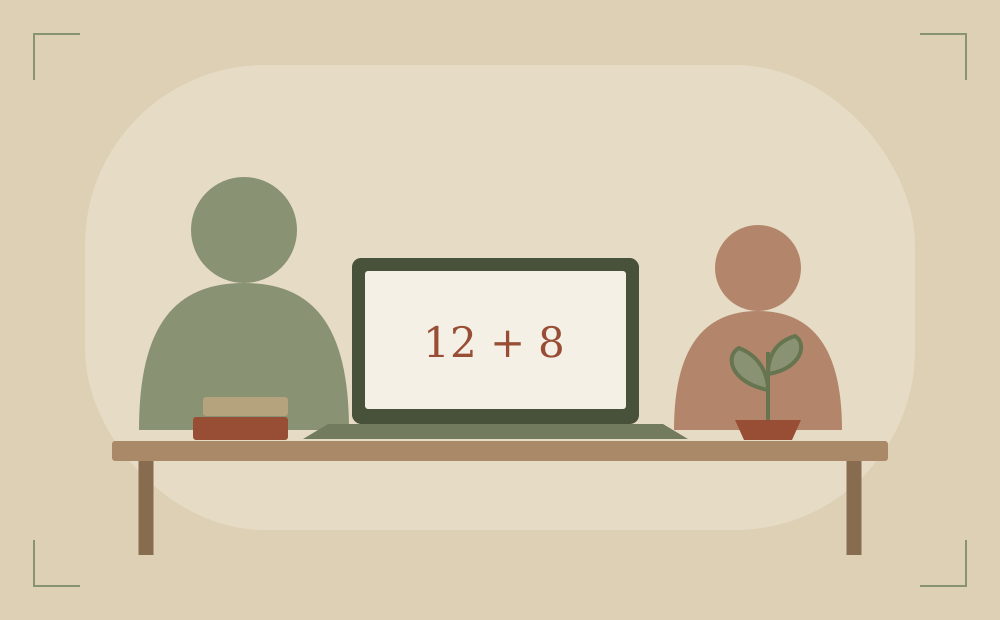 PHOTO PLACEHOLDER
What the score tells us—and what is missing
The number ranges, difficulty settings and scoring method have not yet been recorded. Accuracy, question mix and treatment of incorrect answers are also needed to interpret a timed score fully.
The result is not a standardized assessment, an IQ measurement or a comparison with other children. It should stay attached to the conditions of this particular game.
Learn with U13 now includes the maths games from Atif’s backup. Its mixed DMAS game runs for 60 seconds; the version behind the reported 180-second result has not been identified.
What a fuller game record could include
For a future demonstration, the following would make the activity easier for other parents to understand:
- Operations, number ranges and the types of answers expected.
- Duration, total attempted, correct answers and incorrect answers.
- Whether questions repeat and whether hints or retries are available.
- What the child can explain about their calculations.
- What help was offered before or during the activity.
These are suggested documentation fields, not details already recorded for the family’s result.
A conversation beyond the timer
A parent might ask a child to explain one answer, describe a shortcut or revisit a mistake without a countdown. These are suggested reflection prompts, not a report of what happened in the original game.
Speed can be one observation. Understanding, accuracy, willingness to try and the experience of practising give a fuller picture.
This account comes from Atif’s experience at home. Suggested activities and plans for wider participation are described separately.